Are Faces Supposed to Be Symmetrical? What Is Normal and When to Get Help
Faces are naturally asymmetrical. Learn what normal variation looks like, why photos exaggerate it, and when a change needs medical attention.
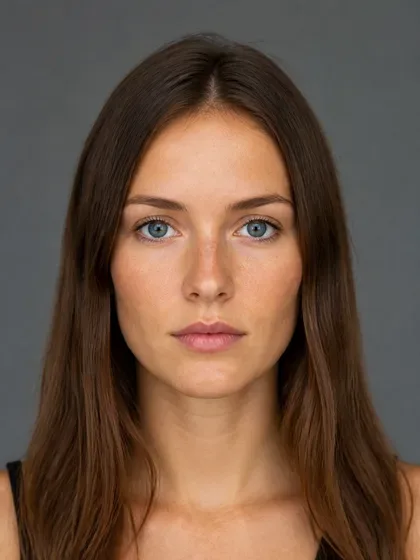
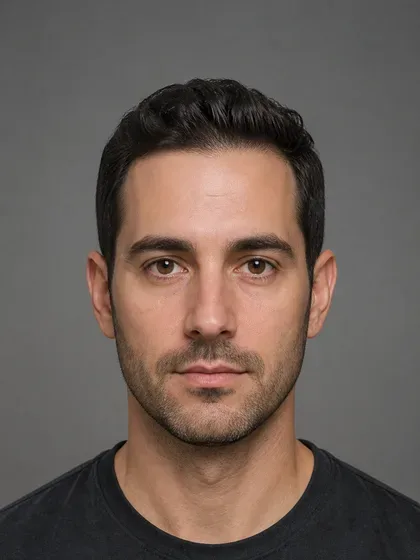
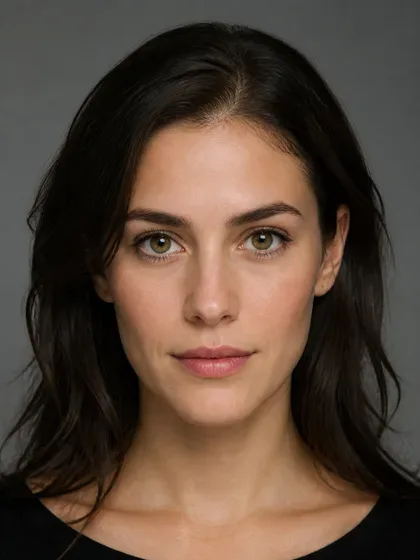
No. Faces are not supposed to be perfectly symmetrical. Small differences between the left and right sides are a normal part of human appearance, including variations in eyebrow height, eyelid opening, cheek fullness, nostril shape, smile movement, and jaw contour.
A difference that has been stable for years is very different from sudden facial drooping or weakness. Sudden drooping or weakness warrants immediate emergency assessment, particularly with arm weakness, numbness, speech difficulty, confusion, severe headache, dizziness, or vision changes. Appearance alone cannot identify the cause.
What normal facial asymmetry can look like
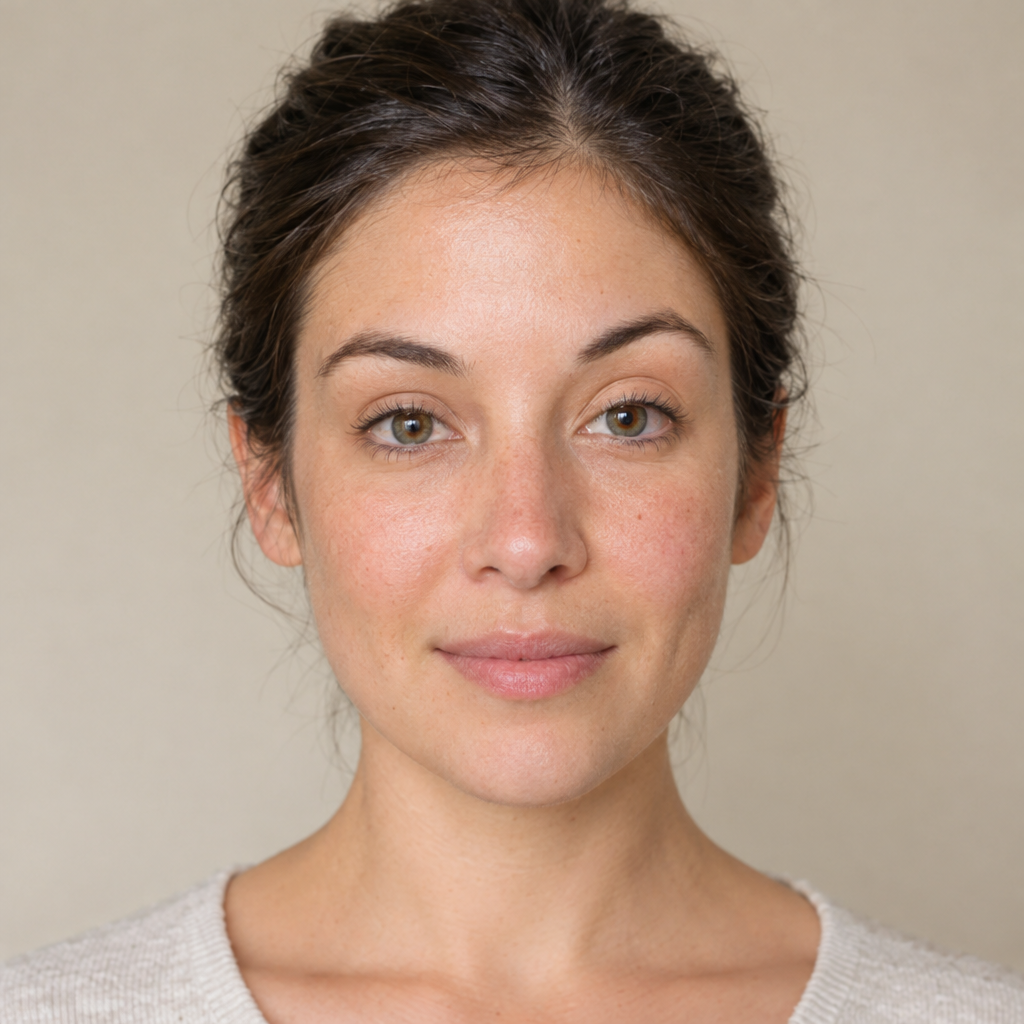
The two sides of a face usually have a similar overall arrangement, but they are not exact copies. Ordinary variation can include:
- Eyebrow height: One eyebrow rests slightly higher or lifts more during expression.
- Eyelid opening: One eye appears a little more open, even with a relaxed expression.
- Cheek fullness: One cheek looks fuller or has a more prominent contour.
- Nostril shape: One nostril has a slightly different outline or appears more visible.
- Smile movement: One corner of the mouth rises higher or moves earlier.
- Jaw contour: One side looks more angular, rounded, or defined.
These differences can occur together. A naturally uneven smile, for example, may become more noticeable when someone laughs than when their face is relaxed.
Appearance alone cannot establish why a difference exists, whether it has health significance, or whether it will change. Minor, long-standing differences without symptoms generally do not need correction. There is no need to make both halves match.
Why the two sides of a face develop differently
Facial bones and soft tissues do not grow as mirror-perfect copies. Small differences in bone contours, muscle shape, and fat distribution can contribute to a naturally uneven appearance. Facial asymmetry is also different from facial proportions, which describe the relative sizes and distances between facial features. Facefy’s facial ratios tool offers a way to explore these visible relationships in a photograph, without treating any particular proportion as a requirement for normality or attractiveness.
Movement adds another layer. Raising an eyebrow, smiling, or squinting can bring out differences that are less noticeable at rest. Repeated expressions may also make differences in expression lines more apparent over time.
Aging can change skin, soft-tissue support, fat distribution, and facial contours unevenly. Previous injuries and some dental or jaw factors can also influence appearance or movement, but a photograph cannot establish which factor is responsible.
Be cautious about claims that sleeping on one side, chewing on one side, or having a particular posture necessarily causes permanent facial asymmetry. A visible difference is not enough evidence to blame a habit, and changing that habit is not a guaranteed way to alter facial structure.
Why your face may look more asymmetrical in photos
A photograph records one viewpoint, one lighting setup, and one instant of movement. It does not show your face as people experience it across expressions and angles.
These variables can change apparent balance:
- Head rotation: Turning slightly makes the nearer side appear broader and the farther side appear narrower.
- Camera height: A camera above or below eye level changes which areas are prominent and can alter the apparent relationship between the eyes, cheeks, and jaw.
- Camera distance: A close camera exaggerates size differences between features nearer to and farther from the lens.
- Wide-angle perspective: Wide-angle selfies often involve close distances that emphasize the nose and nearby features. Positioning near the frame edges can also stretch contours.
- Side lighting: Unequal shadows can make one cheek look fuller, one eyelid deeper, or one jaw edge sharper.
- Facial expression: A half-smile, blink, or raised eyebrow changes eyelid opening, cheek height, and mouth position from moment to moment.
- Hair and makeup: Hair covering one side or uneven visual emphasis from makeup can change the apparent outline without changing facial structure.
Distance is especially important. The perspective associated with a wide-angle selfie comes largely from holding the camera close, not simply from the lens label.
If a difference appears mainly in certain photographs, use one straightforward comparison rather than taking dozens of selfies. Face soft, even daylight, keep the camera level with your eyes, relax your expression, and move it farther away than a close-up selfie. Crop afterward if needed.
This can help reveal photographic effects. It cannot rule out a medical concern or explain a new physical change.
Why mirrored and duplicated faces can look strange
You are likely familiar with your reflected appearance from mirrors. An ordinary, unmirrored photograph shows the opposite orientation, so familiar differences appear on the other side. That can make a photograph feel unexpectedly uneven even though nothing about your face has changed.
Some phone cameras show a mirrored preview but save an unmirrored image. The difference between the preview and saved photo can therefore be noticeable.
Duplicating one half of a face creates something different: an artificial composite. A “two left halves” or “two right halves” image may change the apparent width of the nose, jaw, and entire face, particularly if the original head position was slightly turned.
Neither an unfamiliar photograph nor a strange-looking composite proves that your face is structurally abnormal. A duplicated half-face is not a realistic standard for human appearance.
Four situations and the appropriate response
The most useful distinction is timing and function, not how uneven a single image looks.
| Situation | Appropriate response |
|---|---|
| Long-standing, stable differences | Usually reassurance, without repeated measuring |
| Differences mainly visible in certain photos | Consider lighting, pose, expression, and distance |
| Gradual change with pain or functional symptoms | Arrange a clinical assessment |
| Sudden facial weakness or drooping | Seek emergency assessment immediately |
Use these questions to put a concern in context:
- Has it looked similar for years? A stable eyebrow height, jaw outline, or smile pattern without symptoms usually does not require correction or repeated measurement.
- Does it mainly appear in particular photos? Consider camera position, shadows, and expression before assuming your face has changed.
- Is it changing gradually or affecting function? Persistent pain, a changed bite, or difficulty chewing deserves assessment by an appropriate clinician.
- Did drooping or weakness begin suddenly? Seek emergency assessment rather than comparing more images.
These categories can guide the next step, but they cannot diagnose the cause.
When facial asymmetry needs medical attention
Emergency help: sudden facial drooping or weakness
Seek immediate emergency assessment for sudden facial drooping or weakness, particularly alongside:
- Arm weakness or numbness.
- Difficulty speaking or understanding speech.
- Confusion.
- A sudden severe headache.
- Dizziness or loss of balance.
- Vision changes.
Call your local emergency number. Do not wait for every symptom to appear, and do not assume a particular cause based on how the face looks. Sudden facial weakness still needs urgent assessment even without the other symptoms listed. The NHS guidance on stroke symptoms also advises seeking emergency help immediately when stroke signs occur.
Severe breathing difficulty or an inability to swallow saliva also requires immediate emergency help.
Urgent assessment: injury, severe pain, or swallowing changes
Seek urgent clinical assessment for:
- A significant facial or jaw injury.
- Severe or rapidly worsening facial or jaw pain.
- New difficulty swallowing, even if you can still swallow saliva and breathe normally.
If breathing becomes severely difficult or you cannot swallow saliva, call your local emergency number rather than waiting for an urgent appointment.
Routine assessment: persistent discomfort or gradual changes
Arrange an appointment with an appropriate qualified clinician for:
- Persistent jaw pain that is not severe.
- A bite that feels different.
- Ongoing difficulty chewing.
- A gradually changing facial feature.
- Lingering changes following a minor injury.
A dentist may be an appropriate starting point for bite or chewing concerns. A medical clinician can assess other facial changes. A clinician can consider the history, symptoms, and function together, while a photo or appearance-analysis tool cannot replace that assessment.
Facial balance does not define attractiveness, health, or worth
Left-to-right visual similarity is a descriptive trait, not an objective measure of attractiveness, health, character, or worth. Attractiveness is subjective and cannot be reduced to how closely two halves match.
Filters, duplicated half-face images, and AI-generated estimates are not clinical assessments or standards of normality. Repeated comparisons can also make small differences feel more significant without providing useful new information.
If you want an optional visual estimate, the Face Symmetry Checker offers photo-based appearance analysis. Treat its result as an estimate of apparent balance in that image, affected by pose, lighting, expression, and image quality, not as a health assessment or beauty verdict.
Common questions about facial asymmetry
Can facial differences become more noticeable with age?
Yes. Changes in skin, soft tissues, and facial contours can make some differences more noticeable, but the pattern varies by person. A new, gradually changing feature deserves a clinical conversation rather than an assumption that aging explains it.
Is it normal for a smile to be uneven?
A long-standing smile pattern can naturally involve different movement on each side. A newly uneven smile, especially with sudden weakness or drooping, needs emergency assessment instead of being treated as ordinary variation.
Can a camera lens make my face look uneven?
Yes. Close shooting distance, off-center framing, and head rotation can exaggerate differences. Wide-angle cameras often encourage close-up framing, but camera distance is a major driver of perspective. One photograph is not a reliable account of facial structure.
Can teeth or jaw alignment affect facial appearance?
Dental and jaw factors can influence facial contours or movement, but visual inspection alone cannot identify the cause. Bite changes, persistent jaw pain, or chewing difficulty are reasons to consult a qualified clinician.
Should I do anything about a difference that has always been there?
Minor, stable differences without symptoms generally do not require action. The useful distinction is not whether both sides match perfectly, but whether something has changed or is affecting how your face or jaw functions.